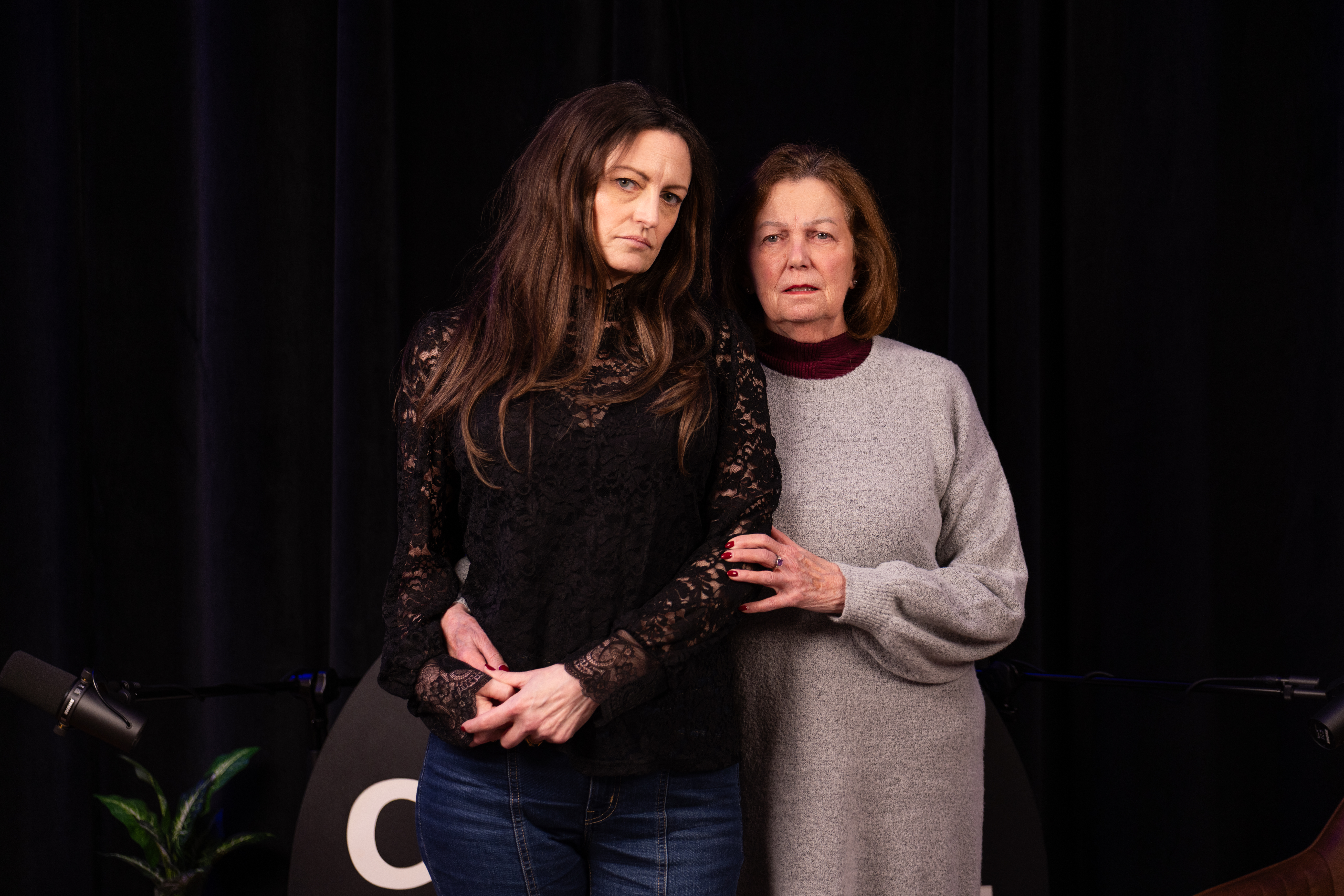
TORONTO- A Canadian comedian at the centre of one of the country's most polarizing legal battles is speaking publicly on camera for the first time.
Season Two opens with Claire Elyse Brosseau, whose fight to access Medical Assistance in Dying for mental illness alone has placed her at the heart of a national debate over autonomy suicide prevention and the limits of compassion under the law.
Brosseau 48 has lived for decades with severe treatment resistant mental illness. She has undergone extensive therapy medication trials hospitalizations and alternative treatments yet says the suffering remains constant and unbearable. Under current Canadian law she is ineligible for MAiD because her condition is psychiatric rather than physical.
That exclusion is now the subject of a constitutional court challenge. Brosseau and other plaintiffs argue that denying MAiD to people whose suffering is mental but no less grievous and irremediable violates their Charter rights. Canada had planned to expand eligibility to include mental illness as a sole condition but the change has been delayed until at least 2027.
In the interview Brosseau speaks candidly about why she believes people like her are largely absent from public debate.
"Everybody speaks for us. Everybody assumes for us. But nobody asks what it's actually like to live this way."
Midway through the episode the conversation deepens when Brosseau's mother Mary Lou
joins the discussion. Her perspective shaped by years of watching her daughter suffer adds emotional weight to a debate often dominated by legal and ethical abstractions.
Supporters of expanding MAiD eligibility argue that mental suffering can be just as intolerable as physical pain and that competent adults should have the right to decide when enough is enough. They point to autonomy dignity and equality under the law.
Opponents strongly disagree. Many psychiatrists disability advocates and suicide prevention experts warn that allowing MAiD for mental illness risks normalizing suicide undermining recovery efforts and placing pressure on vulnerable people to choose death over care. Some clinicians involved in Brosseau's treatment have publicly said improvement may still be possible.
The episode does not take a position or attempt to resolve the debate. Instead it places viewers inside the lived reality behind the headlines showing what it feels like to exist within an issue that remains unresolved deeply personal and politically explosive.
"This isn't theoretical. This is my life."